
We have all heard the pitch: “Buy rental properties and let your tenants pay for your retirement.” It sounds like the ultimate path to passive income. However, as you approach your golden years, the definition of a good investment changes. In retirement, your most valuable assets are predictability, liquidity, and time.
Direct real estate ownership—the kind involving deeds, dirt, and difficult tenants—often works against these goals. If you are weighing the pros and cons of being a retirement-age landlord, here is why physical property ownership might be more of a burden than a blessing.
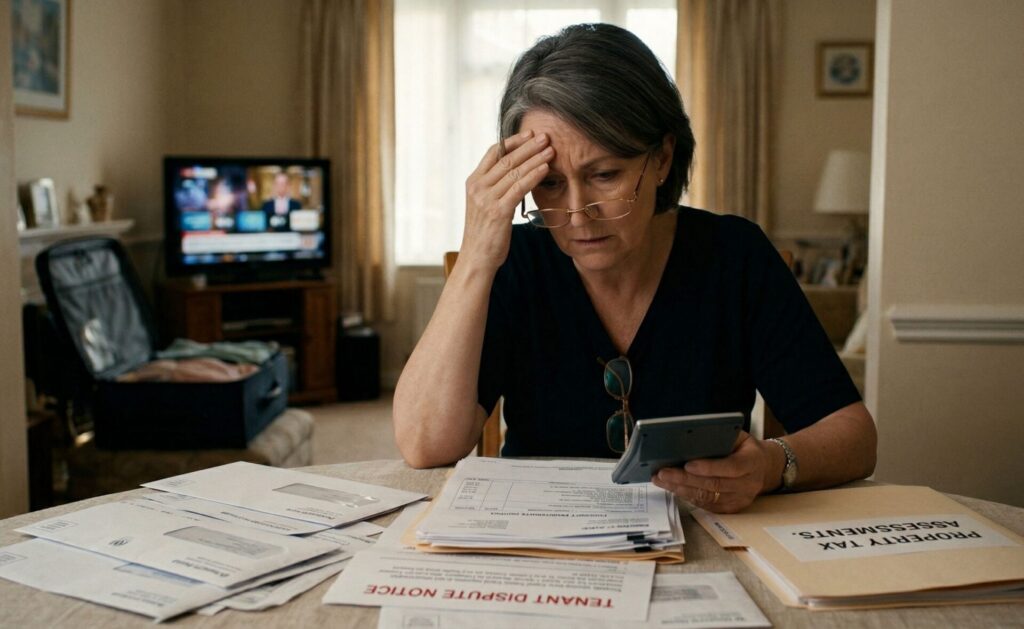
The Financial Friction: Why the Math Changes in Retirement
Financial security in retirement is built on a steady, controllable stream of cash. Direct real estate, however, is notoriously lumpy and rigid.
1. Illiquidity in Emergencies
In a standard brokerage account, you can sell shares in seconds to cover a medical bill or a family emergency. In real estate, you cannot sell a bedroom to pay for a surgery. Liquidating a property can take months, and if you need cash fast during a market downturn, you may be forced to sell at a significant discount.
2. The Lumpy Expense Problem
With a stock portfolio, you control your withdrawal rate. Real estate, however, can force unplanned withdrawals. A $10,000 HVAC failure or a $15,000 roof replacement doesn’t care about your budget; it can wipe out an entire year’s profit instantly, leaving you cash-flow negative when you need income most.
3. Sequence of Returns Risk (Vacancies)
If you hit a patch of bad luck—such as a long vacancy situation—during a market downturn, you lose your primary income stream exactly when your other assets might also be struggling. This double-hit to your cash flow can be devastating to a fixed-income lifestyle.
4. Tax Complexity and the “Yield Myth”
Managing depreciation recapture, 1031 exchanges, and property tax assessments requires constant, expensive professional oversight. Once you subtract property management fees (8–10%), maintenance (1% of value annually), insurance, and taxes, the actual “cap rate” is often lower than what you could earn from simpler, hands-off investments like bonds or REITs (Real Estate Investment Trusts).
The Lifestyle Toll: A Part-Time Job You Can’t Quit
Retirement is meant to be a time where you control your own time. Unfortunately, owning physical property often keeps you on the clock.
1. The “Midnight Phone Call” Stress
Even with a property manager, you are the ultimate decision-maker. Getting a call about a burst pipe or a tenant dispute while you are on a cruise or visiting grandkids is a major inconvenience. You are never truly off the clock.
2. Cognitive and Physical Risks
As we age, real estate management becomes objectively harder:
- Cognitive Decline: Managing complex contracts and screening tenants requires sharp awareness. Seniors can become prime targets for maintenance scams or financial exploitation.
- Physical Limitations: If you were a “DIY” landlord in your 40s, you eventually reach a point where you can no longer climb a ladder or get on the floor to fix a sink. Transitioning to hiring professionals for every minor task significantly slashes your profit margins.
3. Location Tethering and Human Conflict
Owning property mentally “tethers” you to a specific area, making it harder to move across the country or travel for months. Furthermore, the interpersonal conflict of dealing with late payments or evictions is emotionally draining. Most retirees would prefer to avoid high-stress human interactions that involve legal battles and property damage.
The Estate Burden: A Gift Your Heirs May Not Want
Leaving a complex portfolio of aging houses to your children can create a massive headache for them. If your heirs live far away or disagree on whether to sell or keep the properties, your investment becomes a source of family friction rather than a legacy of wealth.
A Lower Stress Alternative
If you love the real estate asset class but hate the hassle, you don’t have to give it up entirely. REITs (Real Estate Investment Trusts) or Real Estate Syndications allow you to capture the upside of property ownership with no day to day responsibilities. You get the dividends; they get the midnight phone calls.
It is always a good idea to consult a financial advisor when considering investment alternatives. Please reach out to us, we are happy and honored to help.